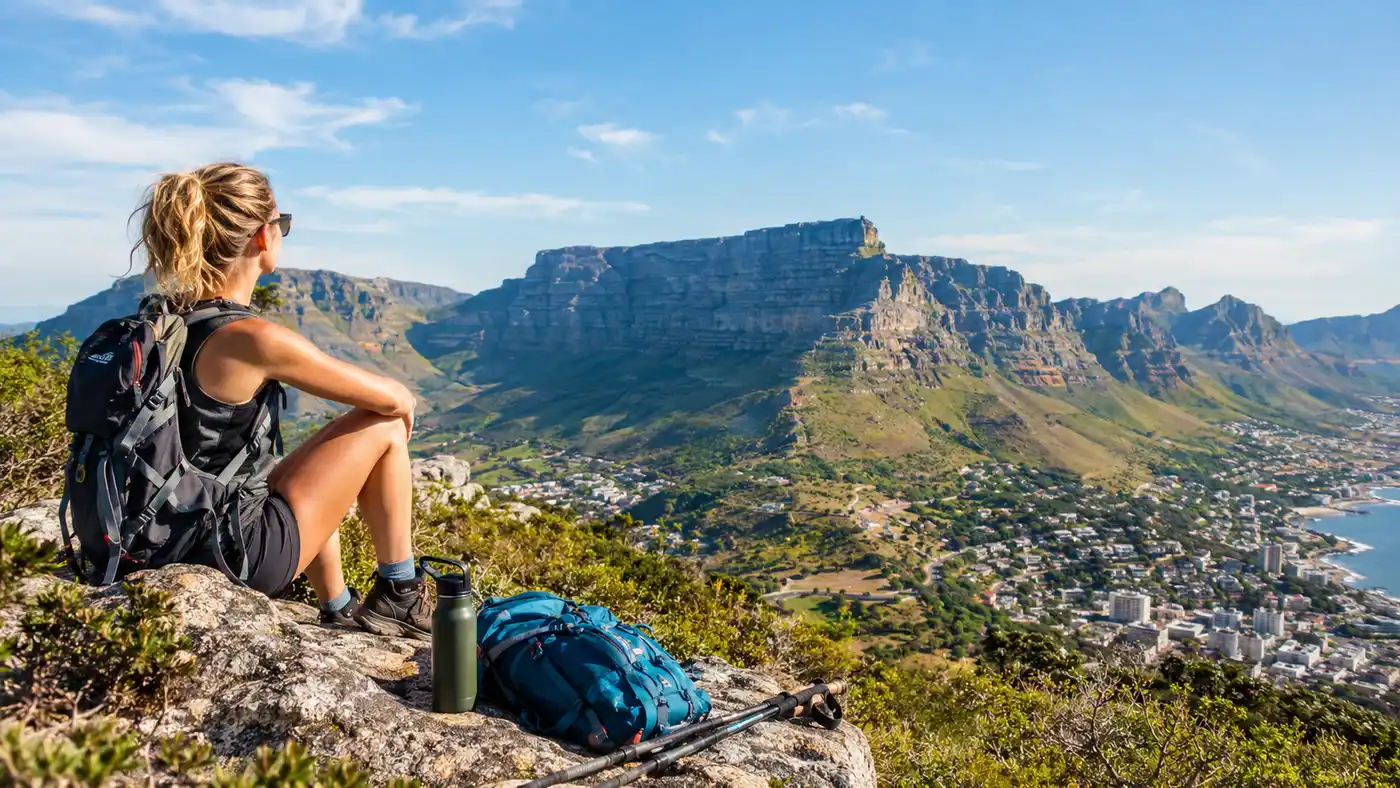
What to Pack for a Table Mountain Hike
Cape Town looks deceptively tame from a café patio on Kloof Street. The massive flat wall of sandstone rises straight out of the city suburbs, looking like a dramatic backyard fence rather than a real wilderness area. Tourists routinely wander up the lower paths wearing denim shorts, canvas sneakers, and carrying a single 500ml bottle of convenience store water. Figuring out what to pack for a table mountain hike before you head out is the difference between an incredible morning on the trails and shivering behind a boulder waiting for mountain rescue.
The Atlantic Ocean sits right at the base of the massif, feeding erratic weather patterns that can blindside even experienced locals. A cloud layer known as the tablecloth can dump over the northern face within twenty minutes, dropping temperatures by twelve degrees and reducing visibility to arm's length. Packing for this mountain requires a smart, compact kit that handles blazing African sunshine, brutal summit gales, and steep scrambles over coarse rock. A tidy 18-to-24 liter daypack gives you all the room you need without turning the climb into a slog.
Book your hiking tours cape town experience:
Clothing Essentials: What to Pack for a Table Mountain Hike in Changing Weather
Layering keeps you comfortable when the climate flips without warning. The climb starts in sheltered, sun-baked ravines where the heat radiates off the rock faces like an open oven door. You will sweat profusely within the first fifteen minutes of stepping upward. A lightweight, moisture-wicking synthetic or merino wool t-shirt is essential for your base layer. Cotton holds moisture, turns into a cold rag once you stop moving, and chafes terribly against backpack straps on long uphill grinds.
Once you top out on the upper plateau, the southeaster wind hits like a wall. Even on warm summer afternoons, that ocean draft brings a bitter chill that cuts right through wet hiking shirts. Toss a mid-weight fleece or a packable micro-grid jacket into your pack alongside a windproof, waterproof shell. Your outer jacket does double duty here. It shields you from sideways drizzle inside dense mist and breaks the biting wind while you eat lunch at Maclear's Beacon.
Pro tip: Stash a lightweight buff or neck gaiter in your shoulder strap pocket. It protects your neck from midday sunburn and doubles as ear protection when freezing gusts whip across the plateau.
Pants are largely a matter of personal comfort, though lightweight convertible trousers or durable stretch hiking shorts work best. Dense fynbos vegetation lines narrower tracks, and thorny bushes will leave small scratches across bare shins. If you prefer shorts, consider pulling on a pair of mid-calf merino wool hiking socks to keep brush and loose shale out of your footwear.
Water and Nutrition: Staying Fueled on the Ascent
There are no reliable fresh drinking water taps along the trails until you reach the Upper Cable Station. Even that water supply depends on seasonal infrastructure, so you cannot gamble on it. Table Mountain is brutally steep from the first step, and the dry coastal air leeches hydration faster than you notice. Carrying 2.5 to 3 liters of liquid per person is standard practice for summer climbs, especially if you tackle the relentless stone stairs of Platteklip Gorge hike under full midday sun.
Plain tap water is fine, but adding electrolyte powder or effervescent tablets to at least one bottle prevents debilitating leg cramps. Muscle cramps on sheer ledge sections are dangerous. Mix one liter with an electrolyte replacement blend and keep the remaining volume as clean water for rinsing dust or cleaning small trail scrapes.
Food choices should lean toward dense, high-calorie snacks that do not melt into chocolate sludge in a hot backpack. You burn through glycogen reserves quickly pulling your body weight up hundreds of meters of vertical gain. Salty items help replenish sodium lost through sweat, while simple sugars provide quick energy spikes for technical scrambles.
- Salty snacks: vacuum-sealed beef biltong, salted almonds, or roasted pretzels.
- Quick sugars: dried mango strips, energy chews, or dates stuffed with nut butter.
- Sustained fuel: dense oat flapjacks or whole-grain seed bars that hold up in heat.
- Fresh fruit: firm apples or small oranges that provide natural juices along the trail.
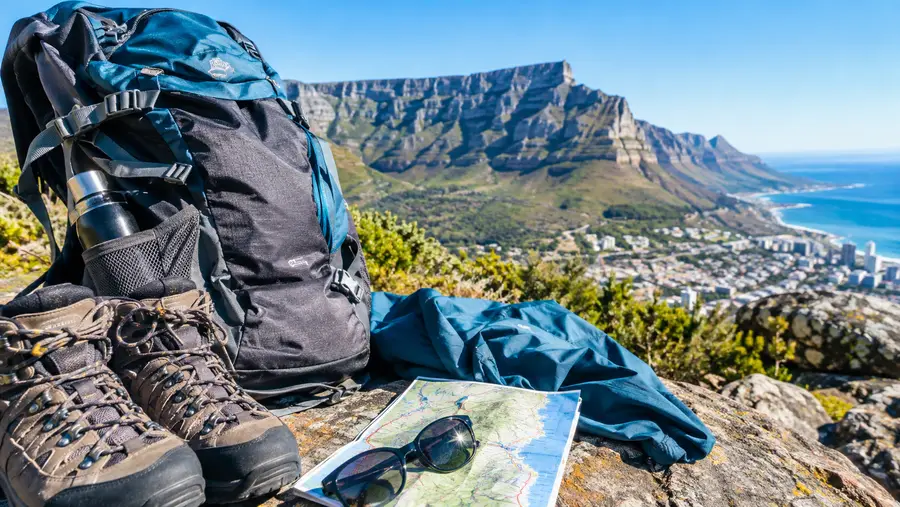
Footwear and Hardware: What to Pack for a Table Mountain Hike Across Rocky Scrambles
Sandstone is an unforgiving surface that shreds cheap rubber and polishes smooth under decades of heavy foot traffic. Light trail running shoes with sticky outsoles or supportive low-cut hiking shoes offer the best combination of agility and traction. Rigid, heavyweight leather mountaineering boots are overkill for day routes and tend to exhaust your calves on steep stair sections. Look for lugs made with vibram or sticky rubber compounds that grip dry rock reliably.
Note: Smooth lifestyle sneakers or worn gym trainers have almost zero grip on dry loose sand scattered over sloping rock slabs, which causes dozens of nasty ankle twists every hiking season.
A compact headlamp with fresh batteries should live permanently at the bottom of your bag. Hikes routinely take longer than planned, and the sun sinks fast over the Atlantic horizon. Trying to negotiate rocky gullies or route find in pitch black using a dying mobile phone flashlight is an easy way to get stranded. Add a small 10,000mAh external power bank with a short charging cable. Navigating trails, checking offline topographical maps, and taking photos will drain your phone battery well before you start your descent.
| Gear Item | Recommended Spec | Primary Purpose | Necessity Level |
|---|---|---|---|
| Hydration reservoir / bottles | 2.5 - 3.0 Liters total | Prevent dehydration and heat exhaustion | Mandatory |
| Windproof shell jacket | Waterproof, breathable fabric | Shields against sudden cold clouds and gusts | Mandatory |
| Compact LED headlamp | 150+ lumens with spare batteries | Safe navigation if trapped after dusk | Mandatory |
| Trekking poles | Collapsible aluminum or carbon | Knee relief during rocky descents | Optional |
| Sun protection kit | SPF 50+ zinc, polarized sunglasses | High-altitude UV radiation defense | Mandatory |
Book your hiking tours cape town experience:
Safety Gear, Navigation, and Emergency Essentials
The vast network of ravines, blind ledges, and false summits makes route-finding tricky. Cloud cover rolls across the flat plateau and turns every landmark into an ambiguous silhouette. Download offline navigation apps such as Maps.me or AllTrails before you leave your accommodation, because mobile signal drops out completely inside gorges like Skeleton Gorge or Dark Gorge. A physical topographical map folded inside a ziplock bag serves as a fail-safe backup if electronics malfunction.
Understanding trail risks is part of packing properly, so reading up on whether Table Mountain is safe for hiking helps frame your preparation. An emergency whistle should be clipped directly onto your shoulder strap. The high-pitched blast carries significantly farther than human shouts over roaring summit winds if you slip off trail.
Pack a basic personal first aid pouch weighing no more than 300 grams. Include elastic compression bandages for sprained ankles, sterile gauze pads, medical tape, blister prevention plasters, paracetamol, and personal allergy medications. An ultralight foil space blanket takes up zero space and preserves critical body core temperature if an injured companion has to sit on cold ground while waiting for Wilderness Search and Rescue to arrive.
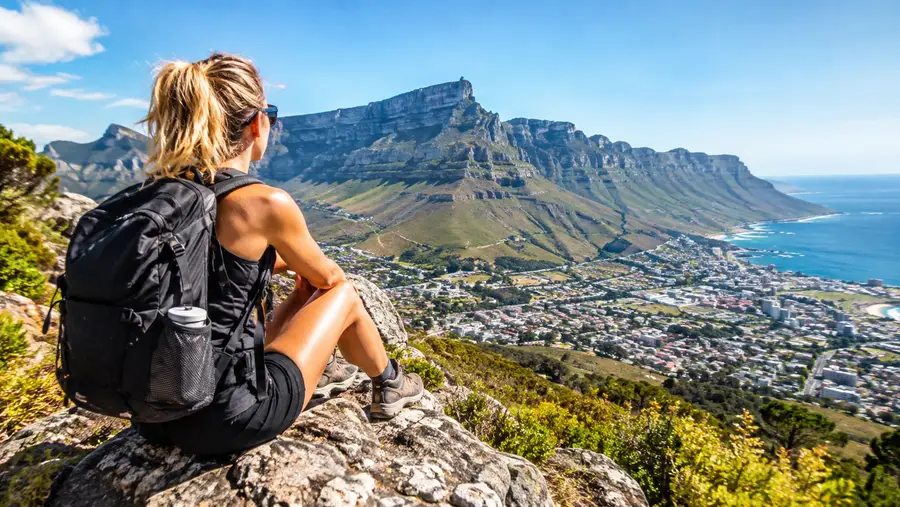
Daypack Selection and Organization
A 15 to 22-liter daypack provides ample volume for food, safety gear, and spare clothing without restricting your arm movement during scrambles. Look for bags built with durable ripstop fabrics that will not rip open when brushed against jagged quartz rock. A supportive sternum strap and a lightweight hip belt help stabilize the load when stepping across rock boulders or climbing up fixed steel staples.
Organization inside the bag matters when the weather shifts. Keep your rain shell, headlamp, and warm layers near the top zipper or tucked into an external stretch mesh pocket for rapid access. Bury your heaviest items, like water bladders and dense food containers, deep against your spine to keep your center of gravity balanced over your feet.
- Top pocket: sunglasses, high-SPF sunscreen stick, lip balm, and small snacks.
- Main compartment base: lightweight emergency bivy bag, spare wool socks, first aid pouch.
- Main compartment core: water bladder sleeve centered tightly against the back panel.
- External stretch pouches: easily reachable hydration flask and wet weather windbreaker.
Check the operation of the Table Mountain Aerial Cableway before leaving the trailhead. If strong winds pick up, the cable car shuts down operations immediately. That means whatever you carried up the front of the mountain, you will have to carry back down on foot, which turns an easy cableway ride home into an extra two-hour descent down steep rock steps.
Frequently Asked Questions about what to pack for a table mountain hike
Can I hike Table Mountain in ordinary running shoes?
Standard street running shoes lack the sticky rubber compounds and lateral foot support required for loose scree and smooth sandstone slabs. While you can manage easy trails in them, trail runners with aggressive traction grip far better and reduce the risk of slips.
Are trekking poles necessary for the trails?
Collapsible trekking poles offer tremendous knee relief during relentless descents down routes like Platteklip Gorge. They can be awkward during steep scrambling sections that require both hands, so ensure your backpack has loops to lash them away securely.
Is there cellular coverage on Table Mountain if I need help?
Cell reception is patchy. You will usually find strong reception on the open summit plateau and city-facing viewpoints, but signal drops out inside deep gorges, back-table valleys, and southern ravines. Always carry offline maps and save the local emergency rescue numbers in advance.
Quick Reference
- Carry 2.5 to 3 liters of water per person
- Pack windproof layers regardless of city temperature
- Stash a working headlamp and power bank on every hike
- Wear shoes with high-traction, sticky rubber outsoles
Book your hiking tours cape town experience:
Before You Go
Treating Table Mountain with the respect of a true alpine environment ensures you enjoy its incredible ocean panoramas and rugged trails safely. Load your pack methodically the evening before, check the weather forecast for wind conditions at the summit, and head out early to beat the searing summer heat. With the right gear tucked securely onto your back, the ascent up this ancient African landmark is one of the most rewarding day hikes anywhere on the planet.
Read more about hiking tours cape town.