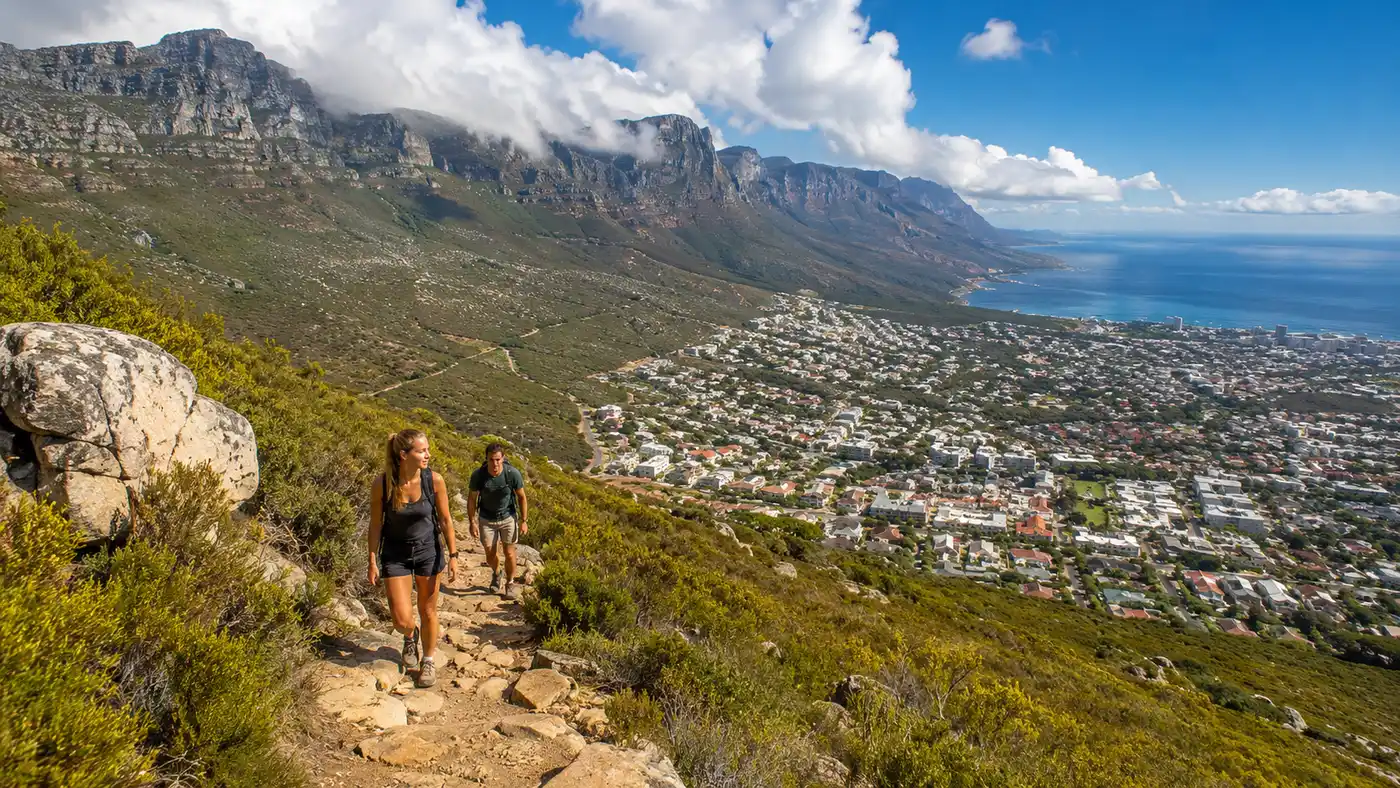
Best Time of Year to Hike Table Mountain
Cape Town has a way of throwing four seasons at you before lunch. If you ask ten locals about the best time to visit table mountain, you will likely get three different months and a stern warning about the southeaster wind. The mountain creates its own microclimate, standing over a thousand meters above two converging oceans, so picking the right month to trek up matters far more than people realize.
I learned this the hard way on a scorching December morning years back, sweating through my pack on Platteklip Gorge while being sandblasted by gale-force gusts. You can hike Table Mountain year-round, sure, but each season brings a distinct personality. From crisp autumn mornings with zero wind to damp winter scrambles past running streams, your experience changes completely depending on the calendar. Let us break down when to lace up your boots.
Autumn Magic: Why March to May Is the Best Time to Visit Table Mountain
Ask seasoned trail runners or mountain guides, and most will point straight to autumn. From March through May, Cape Town settles down. The howling southeasterly wind, famously nicknamed the Cape Doctor, finally packs its bags. The fierce summer heat mellows into daytime temperatures hovering around 21°C or 22°C, which feels just right when your legs are grinding up 700 meters of vertical rock.
Hiking during table mountain autumn gives you stable, clear skies. You rarely get trapped under the thick cloud bank known as the tablecloth, which means the summit plateau actually rewards you with views across the peninsula rather than a cold blanket of mist. April, in particular, offers calm air and mild sun that makes long ridge walks effortless.
Pro tip: April mornings usually have glassy, still air with crisp visibility extending 50 kilometers out toward False Bay. Start around 7:15 AM to hit the summit just as the midday warmth begins.
The crowds thin out dramatically after Easter. You can tackle popular ascents like Skeleton Gorge without playing leapfrog with tour groups every ten minutes. Water sources on the mountain dry up toward the end of summer, though, so you cannot rely on natural trickles until the winter rains arrive. Pack at least 2.5 liters of water per person, even on cooler April days.
Book your hiking tours cape town experience:
Spring Bloom: Hiking in September, October, and November
Spring is messy, unpredictable, and stunning. If you arrive in September, the mountain shakes off winter with wild bursts of color. The fynbos vegetation, unique to this tiny corner of South Africa, explodes into bloom. You will spot pink proteas, bright yellow conebushes, and tiny ground orchids tucking themselves into sandstone crevices along the path.
What about Table Mountain weather during this stretch? September still carries a bite. A front can roll off the Atlantic and drop summit temperatures down to 8°C with very little notice, bringing sudden drizzle that makes wet rocks dangerously slick. By late October and November, temperatures jump toward 24°C, but the trade winds wake up again. If you plan an ascent during spring, you need flexible rest days in your itinerary to dodge bad weather days.
I always suggest keeping an eye on the wind forecast rather than just checking for rain. When the wind speeds at the top exceed 45 km/h, walking the flat summit trails feels like wading through heavy surf. You will want to check our guide on the best time of day to hike Table Mountain to time your ascent around these shifting spring winds.
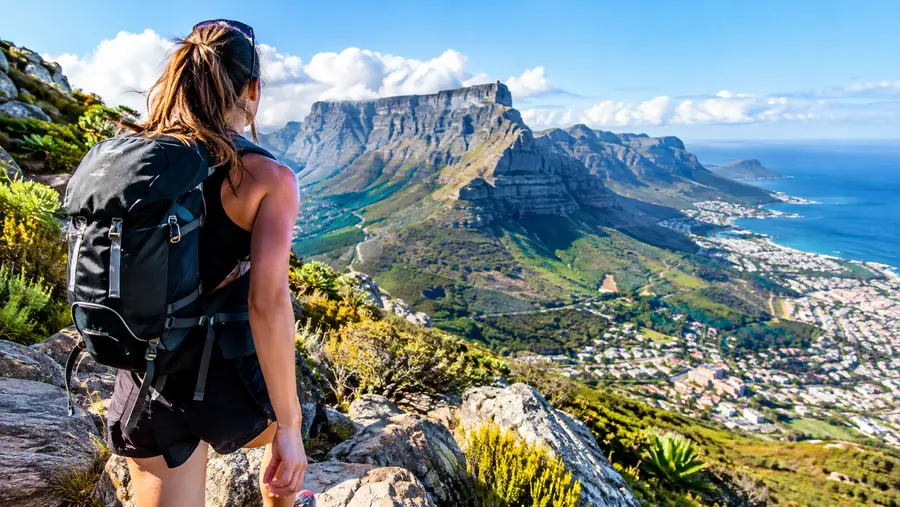
Summer Extremes: The Peak Climbing Season from December to February
Summer is peak holiday madness in Cape Town. Millions descend on the city, and the trails see heavy foot traffic from sunrise to sunset. Is it the best time to hike Table Mountain? Honestly, it depends on your tolerance for heat and crowds. Daytime temperatures in January often pass 31°C down at the base, and on exposed northern rock faces, the heat radiates like a brick oven by 10:00 AM.
The climbing season for serious trad climbers on the sheer granite and quartzite walls peaks during these dry months because the stone stays bone dry. For ordinary hikers, though, summer demands discipline. You have to start before 6:30 AM to beat the sun. If you set off at 9:00 AM up an unshaded route like Platteklip, you will suffer.
Note: Summer brings the dreaded Cape Doctor wind, which routinely forces the Table Mountain Aerial Cableway to shut down. If you hike up expecting an easy ride down, you might find yourself walking back on tired knees.
To survive summer hikes, plan your route around shade and prevailing wind conditions:
- Choose shaded valleys: Routes on the eastern slopes, like Newsway or Window Gorge, stay protected from the blistering morning sun far longer than west-facing tracks.
- Carry extra electrolytes: Pure water is not enough in 30°C heat; salt tablets or sports powders prevent painful calf cramps on steep step sections.
- Pack a warm windbreaker: Despite the heat below, the summit can turn damp, breezy, and cold within fifteen minutes if the tablecloth cloud rolls over.
- Start at dawn: Hitting the trail at 5:45 AM means you finish your ascent before the sun peaks above Devil's Peak.
Book your hiking tours cape town experience:
Winter Hiking: Greenery, Waterfalls, and Quiet Trails (June to August)
Most tourists avoid Cape Town during winter, writing it off as rainy and grim. They miss out. Winter transforms Table Mountain into an emerald playground. Ephemeral waterfalls cascade down vertical cliffs that remain parched stone for the rest of the year, and moss blankets the damp forest floors in Kirstenbosch.
You need to pick your days carefully. Cape Town gets cold fronts moving through from the northwest, dumping heavy rain for two or three days at a stretch. Yet between those storms, winter gifts the city crisp, crystal-clear bluebird days with virtually no wind and temperatures around 17°C. For hiking uphill with a pack, 17°C with no wind is close to perfection. Finding the best time to go up Table Mountain in winter simply means watching the three-day barometric pressure charts and grabbing that calm window right behind a passing front.
Keep safety front of mind during the wet months. Wet sandstone gets slick, and mud turns steep clay gullies into slip-and-slides. Make sure to consult our breakdown on what to pack for a Table Mountain hike to ensure you have proper high-grip footwear and waterproof shells before heading into damp winter terrain.
Table Mountain Seasons at a Glance
Every single month offers something unique, provided you match your route choice to the day's conditions. Below is a realistic overview of what you will actually encounter across the calendar year on the mountain slopes.
| Season | Months | Avg Summit Temp | Wind Levels | Trail Conditions |
|---|---|---|---|---|
| Autumn | March – May | 14°C to 20°C | Low to moderate | Dry, stable, excellent traction |
| Winter | June – August | 7°C to 13°C | High (Northwest) | Slick wet rock, active streams, mud |
| Spring | September – November | 12°C to 18°C | Moderate to high | Lush fynbos blooms, variable dampness |
| Summer | December – February | 18°C to 27°C | Very high (Southeast) | Dry, dusty, strong thermal exposure |
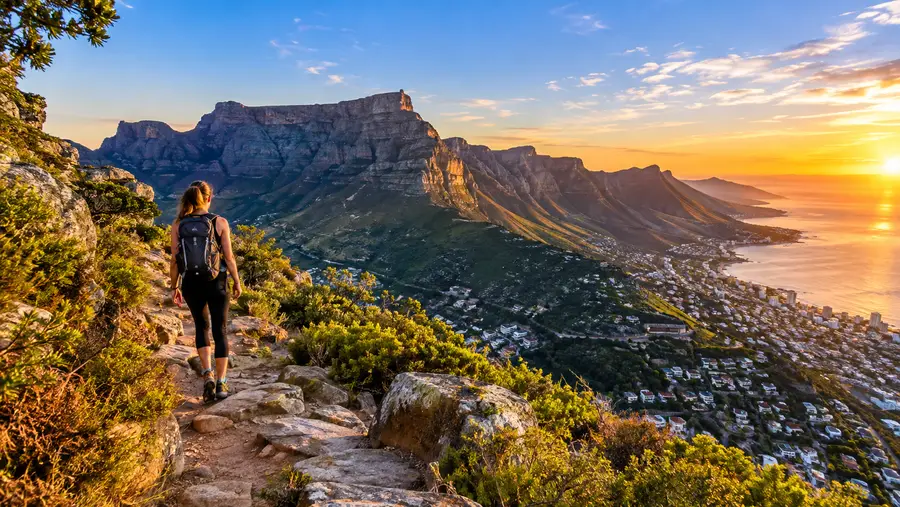
Choosing the Best Time to Go to Table Mountain by Route
Your choice of month should directly influence which path you pick. For example, tackling India Venster on a windy November afternoon is asking for trouble because narrow scrambles around exposed ledges become downright frightening when 50 km/h gusts push against your frame. That specific scramble is best reserved for calm autumn mornings.
On the other hand, the wooded gorge routes on the eastern side show their best face in early winter and spring. The lush canopy protects you from light showers, while wooden ladders stay manageable. If you decide to hike in midsummer, sticking to the shady contour paths along the Pipe Track early in the morning lets you enjoy the massive Twelve Apostles peaks without suffering through a sunbaked vertical climb.
Consider these essential seasonal rules before selecting your trail:
- Skip gorge scrambles in heavy rain: Routes with smooth rock slabs turn into running streams during July and August, creating severe slipping hazards.
- Avoid west-facing ascents on summer afternoons: Camps Bay routes catch full afternoon solar radiation, turning rock faces into radiators by 2:00 PM.
- Target eastern ravines for autumn mornings: The gentle morning sun filters through yellowwoods and tree ferns with zero breeze, making for pure hiking bliss.
- Always check cableway maintenance: The cable car shuts down for two to three weeks every year, typically in late July or early August, so you must hike both up and down if visiting then.
Timing your adventure around these natural rhythms makes all the difference. Anyone can scramble up on an overcast Tuesday, but aligning your journey with quiet trails and clear skies creates an unforgettable mountain memory.
Frequently Asked Questions about the best time to visit table mountain
What is the overall best time to visit Table Mountain Cape Town for hiking?
The sweet spot runs from March through May. You get mild temperatures between 18°C and 23°C, almost no strong winds, lower tourist volumes, and high chances of clear summit visibility.
Is Table Mountain closed during winter?
The mountain itself never closes because it is a free-access national park. However, the Aerial Cableway closes annually for routine maintenance for about two weeks, usually between late July and early August.
Can you hike Table Mountain in September?
Yes, hiking in September is fantastic for spotting spring wildflowers and flowing streams. Just pack warm layers, as rapid weather swings can drop summit temperatures to single digits within an hour.
Quick Reference
- Best overall window: March to May (calm, mild)
- Wildflowers peak: September to October
- Worst wind season: December to February
- Coldest months: June to August (avg 10°C on top)
Book your hiking tours cape town experience:
My Take
If you have total freedom over your travel calendar, book your flights for late March or mid-April. That is when the mountain shows off its finest mood. You will skip the suffocating heatwaves of January, dodge the winter downpours, and avoid fighting three hundred people for a photo spot on Maclear's Beacon. Pick a calm morning, pack three liters of water, start early, and let the old sandstone ridge do the rest.
Read more about hiking tours cape town.